


The Neurocognition Frontier
We have identified the building blocks (Article 1) and the enemy (Article 2). Now, it is time to take action. The latest frontiers in neuropsychiatric research focus on nutrition not just as “food,” but as a therapeutic and preventive tool for cognitive dysfunction.
Precision on the Plate: Frontiers in Psychiatry (2025)
According to the most recent evidence—much of which was anticipated in the presentations by Dr. Ferreri and supported by works such as those in Frontiers in Psychiatry and the landmark umbrella review in Nature Human Behaviour (2025)—the solution is not a generic diet. Instead, it is a targeted approach aimed at modulating the brain’s internal environment.
- Focus on Modulation: These studies aim to identify foods and supplements that do more than just reduce inflammation; they actively support neuroplasticity (the brain’s ability to create new connections) and the production of neurotransmitters key to mood and cognitive performance.
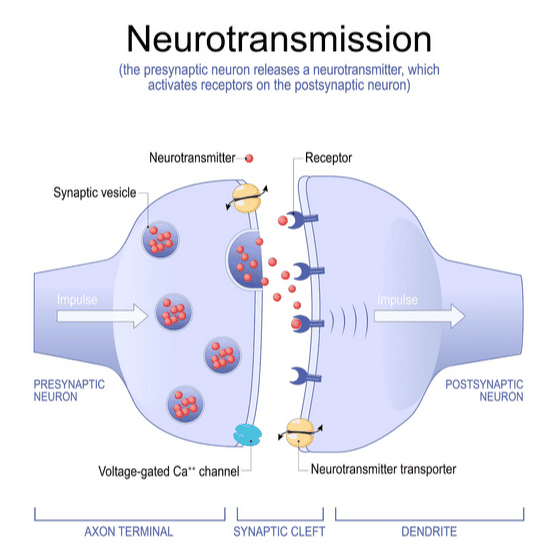
- Winning Strategies for the Mind:
Omega-3 Priority (DHA/EPA): A targeted increase in active Omega-3 sources, such as oily fish or high-quality supplements.
Potent Antioxidants: Integration of plant compounds (polyphenols, flavonoids) that can cross the blood-brain barrier, found in berries and dark leafy greens.
Gut Health: The “gut-brain axis” is fundamental. A diet rich in fiber and prebiotics to balance the microbiome is now considered a core neuro-protective strategy.
Conclusion: Your Food, Your Mind
The science of “brain food” is clear: your cognitive performance depends on the choices you make at the table every day. Stop counting calories and start counting the nutrients that sustain your focus, memory, and mood. Giustoposto is here to guide you on this journey.


